Life Between Careers
By Emmie Brooks
Danny Petrie thought he was ready for retirement. After more than two decades running a logistics and supply chain company, he’d earned the right to slow down. He and his wife raised their children, built a successful business, weathered industry disruptions, and navigated the uncertainty of the COVID pandemic.
The pace was relentless. Trucks were on the road at all hours. Regulatory changes demanded constant adaptation. There was always another problem to solve.
So, when the time came to step away from work, the decision felt right.
“It was a big inflection point,” Petrie says. “I looked at my goals and what I had accomplished, then asked myself, ‘What am I trying to achieve now?’”
The answer wasn’t another expansion plan or a new chapter for rebuilding the business. Instead, it was time. Time to travel. Time to focus on health. Time to spend with his family.
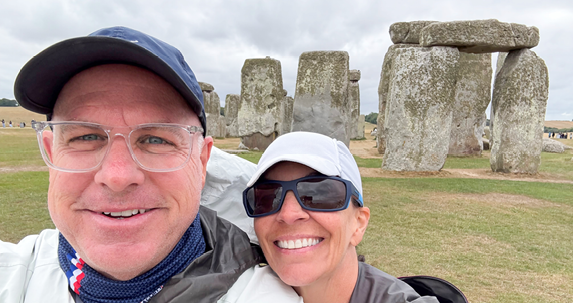
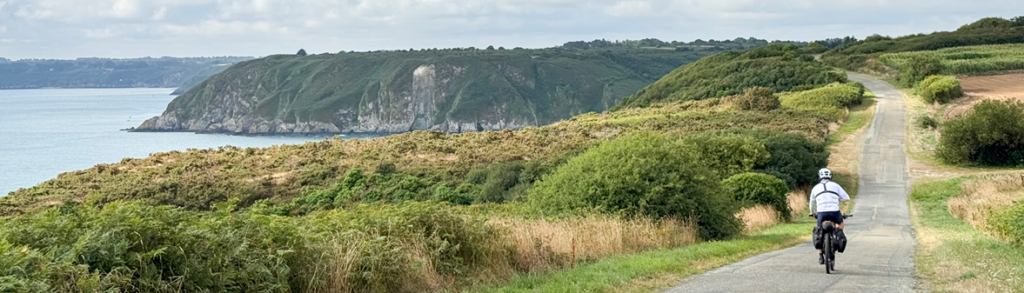
Over the next few years, Petrie and his wife, Valerie, embraced experiences they might not have pursued if they had continued working. They rode bicycles from Mexico to Canada. They went boating in Ireland and laid under the sun on the French coast. They filled their days with hiking, travel, and endurance sports.
Like many people approaching retirement, Petrie knew too many friends who waited until they were older to pursue the adventures they spent decades imagining. “We wanted to add some life to our years and some years to our life,” he says.
But as rewarding as those experiences have been, retirement brought an unexpected realization: Unlimited free time wasn’t quite what Petrie expected. The adventures delivered exactly what he hoped for, yet they also raised new questions about purpose, challenge, and what comes next.
Rewriting the Retirement Playbook
For generations, retirement followed a familiar script. You work for 40 years, retire, and begin life’s next chapter. But that model is beginning to evolve. (See “The History and Future of Retirement” on page 6.)
Some people are pursuing sabbaticals during their careers. Others are scaling back instead of stopping altogether. Some are taking what CAPTRUST Financial Advisor Karl Eggerss calls situational sabbaticals, which can mean leaving work temporarily to care for aging parents, support family members through major life events, or navigate personal challenges before returning to the workforce. And, of course, some are retiring earlier than previous generations, only to later discover they want new challenges, consulting opportunities, or second careers.
Eggerss sees clients exploring alternatives to the traditional retirement path. “I think what I’m seeing is more of a glide path into retirement,” he says.
Instead of stopping work abruptly, some prefer a gradual transition. That might mean reducing hours, consulting, working remotely, or taking on a more flexible role. For in many cases, the decision is partly financial. Continuing to earn some income can help bridge the gap until Social Security begins or reduce pressure on retirement portfolios.
But it is often about more than just money. People want more control over their time.
The experience of the pandemic accelerated that shift. As remote and hybrid work became more common, workers began questioning long-held assumptions about traditional careers, workplace expectations, and retirement itself.
At the same time, increased life expectancy has changed the equation. Someone retiring in their late 50s or early 60s may have decades of active life ahead of them.
That reality raises an important question. If you have the health, energy, and resources to pursue meaningful experiences now, why wait?
“I think people understand if they retire too late, they may not be physically or mentally able to do the things they thought they wanted to do at 40 or 50 years old,” Eggerss says. “They say, ‘Why wouldn’t I do that now?’”
Making the Numbers Work
Of course, taking an extended break from work requires more than a desire for adventure. Financial planning remains the foundation.
Health care is often one of the biggest concerns, especially for those retiring before Medicare eligibility. Health care costs, insurance coverage, inflation, and market volatility all become critical considerations.
For someone considering mini-retirement, advisors usually begin by modeling different scenarios. What happens if income drops to zero for a year? Two years? Five?
How much spending will be required? What are the tax implications? How will retirement savings be affected? And age matters, too. A few months can make a significant difference, particularly when it comes to retirement account access, Social Security eligibility, or Medicare.
What’s Your Next Chapter?
Beyond the numbers there’s another challenge. Many people know they want to leave their current role. But as Eggerss explains, “Most people don’t know what that next thing will be.”
It’s relatively easy to build a financial projection that assumes a future consulting role or part-time job. The harder question is what that future role actually looks like. If someone plans to take several years away from work and later return, what industry will they enter? What skills will they use? How much can they realistically earn?
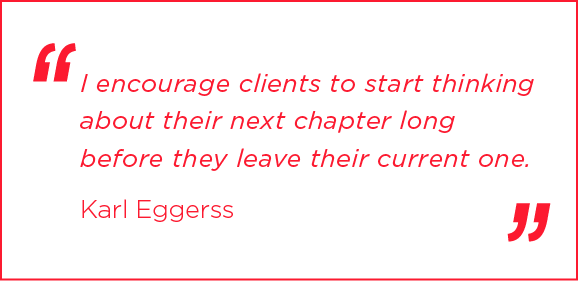
“The application of it is much harder than the numbers,” Eggerss says. “I encourage clients to start thinking about their next chapter long before they leave their current one.”
Someone who dreams of consulting, joining a friend’s business, or taking on project-based work should begin exploring those opportunities while they’re still employed. Have conversations. Build relationships. Learn what those roles may be like and what they pay.
“It’s easy to say, ‘I’ll go work for a friend,’” Eggerss says. “Well, which friend? What do they do?”
Petrie is taking a similar approach to reentering the workforce. While he has no interest in returning to the logistics industry he left behind, he can envision putting decades of leadership experience to work in a different capacity.
Recently, he stepped in temporarily to help lead a family friend’s company during a health crisis, serving as CEO for several months until the owner was able to return. The experience reinforced what he was already beginning to suspect: He enjoys solving problems and helping businesses navigate challenges but no longer feels compelled to do it full-time.
“It actually went very well,” he laughs. “Maybe next time I can figure out a way to get paid when I do it.”
Rather than returning to a traditional 40-hour work week, Petrie says he’s considering consulting, project-based assignments, or advisory roles that allow him to contribute while maintaining the flexibility he’s come to value. The goal isn’t to go back to the career he left behind. It’s to selectively apply the skills he’s spent a lifetime building to opportunities that still feel meaningful.
The Purpose Problem
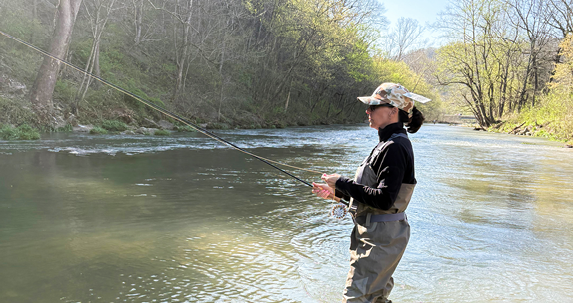
Many people spend years imagining what they would do if they no longer had meetings, deadlines, commuting, or workplace pressure. What they may fail to consider is all of the things that work provides beyond a paycheck.
Work creates structure, challenge, a sense of accomplishment, and sometimes, purpose. Petrie experienced some of this firsthand.
After decades running a complex business, he found himself with dramatically more freedom than he’d ever had before. The travel was rewarding; the adventures were memorable; the change of pace was refreshing. Still, something felt different.
“The biggest thing I miss is the problem-solving,” he says. “I think it helps me stay sharp.”
Petrie compares work challenges to the endurance sports he participates in now. He describes them as a form of type 2 fun, a term used to describe experiences that are difficult in the moment but rewarding afterward. Both require discipline, problem-solving, and a willingness to push through discomfort to reach a goal. The difference is that while spending months cycling through Europe gave him new challenges to tackle, it didn’t completely replace the satisfaction he once found in business.
“I’ve gained a lot of experience and skills over my career, and I’m still cognitively and physically able to contribute,” he says. “It feels like there’s a lot left to give.”
That feeling can be difficult to prepare for. Many retirees carefully plan their finances but spend less time considering how they’ll replace the sense of purpose, routine, and challenge that work often provides.
Retire to Something
One of the most important distinctions in any retirement conversation may have nothing to do with finances. It’s whether you’re retiring from something or retiring to something.
For Petrie, it was both. After decades of running his own business, constant travel, and navigating industry disruptions, he was ready for a break. But he was also moving toward new priorities.
“I didn’t want our business to be our legacy,” he says. “I want our family to be our legacy.”
That perspective shaped how he approached retirement from the start. The goal wasn’t simply to leave work behind. It was to create space for the experiences he’d been postponing, invest in his health, and spend time helping his children navigate careers, marriages, and milestones of their own.
At the same time, stepping away gave him clarity about the kind of work he still enjoys.
“I don’t think it’s as simple as you’re working or you’re not working,” Petrie says. “When you get to this point, it’s more about being selective.”
For some, that may be the real shift taking place. Retirement is no longer always a permanent exit. Instead, it can become another chapter, one that includes periods of work, exploration, caregiving, travel, and reinvention.
The Gift of the Pause
For those considering an adult gap year, sabbatical, or mini-retirement, Petrie and Eggerss emphasize that it requires more than a financial plan. It requires a vision for what comes next.
That might mean mapping out future income opportunities before leaving a job. It might mean identifying new challenges, passions, or relationships that can provide structure and fulfillment. Or it might simply mean recognizing that your priorities today are different from the priorities that shaped your career 20 years ago.
Eggerss encourages clients to think about those questions long before they need the answers. Knowing how you’ll spend your time can be just as important as knowing how you’ll spend your money.
And as for Petrie, stepping away has been less about retirement than rediscovery. The bike rides, the travel, and the time with family gave him exactly what he hoped they would. They also revealed that even after crossing major adventures off his bucket list, he still enjoys contributing, mentoring, and solving problems.
That doesn’t mean he’s eager to return to the grind. If anything, his time away has reinforced the value of flexibility.
Today, he isn’t searching for another career. He’s looking for the occasional challenge, the right project, or an opportunity to put a lifetime of experience to use on his own terms. And perhaps that’s the biggest lesson of all: Taking time away doesn’t always mean walking away forever. Sometimes, it’s what helps you decide what deserves your time next.